If you’re wondering whether liposuction is right for you, the answer depends on several interconnected factors. Being a good candidate typically means you’re within 30 pounds of your ideal weight, have stubborn fat deposits that resist diet and exercise, possess reasonably elastic skin that can contract after fat removal, and maintain realistic expectations about the results. While age primarily affects skin quality, people in their twenties through their sixties can be excellent candidates when other factors align.
Liposuction remains one of the most popular cosmetic procedures worldwide, but it’s not a one-size-fits-all solution. Understanding whether you’re a suitable candidate requires examining your body weight, skin quality, overall health, and personal goals. Let’s explore what makes someone an ideal candidate for this transformative procedure.
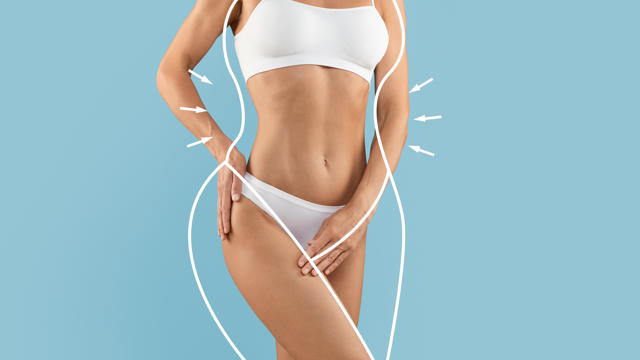
Before determining your candidacy, it’s essential to understand what liposuction is – and what it isn’t. This cosmetic surgery targets stubborn fat in specific areas that don’t respond to traditional weight-loss methods. It’s a body-contouring procedure, not a weight-loss solution.
Liposuction removes fat cells from targeted areas, such as the abdomen, thighs, arms, back, or chin. Once these fat cells are removed, they don’t regenerate. However, remaining fat cells can still expand if you gain weight after the procedure, which is why maintaining a stable weight post-surgery is crucial.
Your current body weight is one of the most significant factors in determining candidacy. Generally, the best candidates are within 30 pounds of their goal weight and have maintained a stable weight for at least six months.
Here’s why body weight matters so much:
Safety concerns: Individuals who are significantly overweight or obese face higher surgical risks, including complications during and after the procedure
Result quality: Liposuction produces better contouring results when there’s less excess body fat to address
Long-term outcomes: People at or near their ideal weight are more likely to maintain their results
If you’re carrying substantial excess weight, your surgeon will likely recommend losing weight through diet and exercise before considering liposuction. This isn’t about judgment – it’s about ensuring your safety and optimizing your results. Some practices use Body Mass Index (BMI) as a guideline, with most surgeons preferring candidates with a BMI under 30.
Several factors influence your skin’s ability to bounce back:
Age: Younger skin generally has more collagen and elastin, proteins that give skin its resilience
Sun exposure: Chronic sun damage breaks down collagen, reducing skin elasticity
Genetics: Some people naturally have more elastic skin than others
Smoking history: Smoking damages skin structure and reduces elasticity
Previous pregnancies or weight fluctuations: These can stretch skin and reduce its ability to contract
A simple test can give you insight into your skin quality. Pinch the skin on your abdomen or the area you’re considering for treatment, then release. If it snaps back quickly, you likely have good elasticity. If it returns slowly or shows wrinkles, your elasticity may be compromised.
During your consultation, your surgeon will assess your skin quality professionally. In cases where skin elasticity is poor, they might recommend combining liposuction with other cosmetic procedures like a tummy tuck, or they may suggest alternative treatments altogether.
There’s no specific age cutoff for liposuction candidacy. Successful procedures are performed on patients ranging from their early twenties to their seventies. However, age indirectly affects candidacy through its impact on skin elasticity and overall health.
Younger candidates (20s-30s) typically have excellent skin elasticity, which often allows them to achieve optimal results with liposuction alone. Their skin readily contracts after fat removal, creating smooth contours.
Middle-aged candidates (40s-50s) may have good to moderate skin elasticity. Many achieve excellent results, though some may benefit from combining liposuction with skin-tightening procedures. This age group often represents the largest percentage of liposuction patients.
Older candidates (60s and beyond) can still be excellent candidates if they have good skin quality and are in good health. However, they’re more likely to need complementary procedures to address skin laxity.
The key takeaway is that your biological age matters less than your skin quality and overall health status.
Being a good candidate involves more than just the right numbers on a scale and elastic skin. Your overall health profile plays a crucial role in determining whether you’re a suitable candidate for cosmetic procedures.
Health requirements include:
Non-smoker status (or willingness to quit several weeks before and after surgery)
No serious medical conditions that impair healing or increase surgical risks
Realistic expectations about what liposuction can achieve
Commitment to maintaining results through healthy lifestyle choices
Good mental and emotional health
Additionally, specific areas of concern matter. Liposuction works best on areas with good skin quality and localized fat deposits. Common treatment areas include the abdomen, flanks (love handles), thighs, upper arms, back, and chin.
creates natural-feeling results. Most men find subsequent treatments require shorter recovery periods as their bodies become familiar with the process.
When you meet with a board-certified plastic surgeon, they’ll conduct a comprehensive evaluation. This assessment goes beyond simply looking at how much weight you need to lose or measuring your skin elasticity.
Your surgeon will examine your target areas, review your medical history, and discuss your aesthetic goals. They’ll also explain what liposuction can and cannot do for your specific situation. This honest conversation is crucial for setting appropriate expectations.
Be prepared to discuss your weight history, including any significant fluctuations, your diet and exercise habits, and any plans for future weight changes (such as pregnancy). All these factors influence both your candidacy and the timing of your procedure.
Determining whether you’re a good candidate for liposuction involves honest self-assessment and professional evaluation. If you’re within a healthy weight range, have stubborn fat deposits that won’t budge despite your efforts, possess reasonably elastic skin, and maintain realistic expectations, you’re likely a strong candidate.
Remember that liposuction is a tool for refinement, not transformation. It enhances the work you’ve already done through diet and exercise by targeting those frustratingly resistant fat pockets. When performed on the right candidate by a skilled surgeon, it can provide beautiful, natural-looking results that boost confidence and enhance your body’s natural contours.
If you’re unsure about your candidacy, the best step is to schedule a consultation with our experienced surgeon. They can provide personalized guidance based on your unique anatomy, goals, and circumstances. Being informed and realistic about expectations is the first step toward achieving the body contouring results you desire.
Many patients who undergo liposuction surgery discover that removing excess fat deposits alone may not achieve their desired body shape, particularly if they have excess loose skin or have experienced significant weight fluctuations in the past. When liposuction targets subcutaneous fat in areas like the abdomen or thighs but leaves behind sagging skin, combining it with other cosmetic surgery procedures can produce more comprehensive results. Common combinations include pairing liposuction with a tummy tuck, arm lift, or thigh lift to address both fat and skin concerns simultaneously. During your liposuction consultation, your surgeon will assess whether you’re at your goal body weight and determine which combination of procedures best suits your needs.
The decision to combine plastic surgery procedures requires a thorough medical evaluation to ensure you’re healthy enough for a longer, more complex operation. While combining procedures can be more efficient – requiring only one recovery period instead of multiple – it also demands more careful planning and assessment. Your surgeon will consider factors like your overall health, the extent of correction needed, and whether addressing multiple concerns at once aligns with your goals and safety profile. This comprehensive approach to body contouring can be particularly beneficial for patients who have achieved significant weight loss and are left with both residual fat pockets and skin laxity.
If you’re wondering whether you are a good liposuction candidate, the ideal profile includes being at or near an ideal body weight with stubborn fat pockets that resist a balanced diet and exercise. The liposuction procedure, whether using tumescent liposuction or other techniques, removes excess fat cells and unwanted fat from areas like the abdomen, thighs, or arms, creating better body proportions.
Is liposuction permanent? Yes – this permanent cosmetic procedure eliminates fat cells that won’t return, though your overall body weight must remain stable to maintain results. However, candidacy also depends on factors like having good skin elasticity to avoid excess skin after the surgical procedure, no conditions that cause poor wound healing, and realistic expectations about what fat removal can achieve. Working with experienced plastic surgeons ensures a thorough evaluation of your unique situation.
After the liposuction procedure, wearing compression garments as your body heals and maintaining your results through healthy lifestyle choices are essential for long-term success. While the removed fat cells are gone permanently, this isn’t a substitute for significant weight loss if you’re substantially overweight – it’s a refinement tool for those already committed to their health. The best outcomes occur when patients understand both the possibilities and limitations of this transformative surgical procedure, approach it with realistic goals, and partner with qualified surgeons who prioritize safety and natural-looking results.